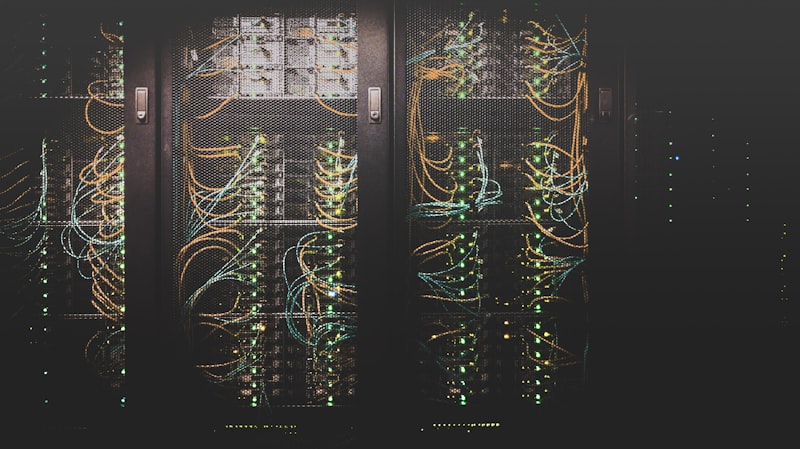
The Architecture of Intelligent Systems
Building AI systems that actually work in production is fundamentally different from building AI systems that work in a notebook. The gap between a proof-of-concept and a production-grade intelligent system is where most AI initiatives fail.
This isn't a technology problem. It's an architecture problem.
Why Architecture Comes First
When organizations approach AI adoption, the instinct is to start with the model. Which algorithm? Which framework? Which vendor? These are the wrong first questions.
The right first question is: what does this system need to do, at what scale, and how will it evolve?
Architecture answers these questions before a single line of model code is written. It defines:
- How data flows through the system
- Where intelligence is applied and where it isn't
- How the system handles failure
- How it scales under load
- How it integrates with existing infrastructure
The Three Layers of Intelligent Infrastructure
Every production AI system we've built at Adriatic Infotec follows a three-layer model:
1. Data Foundation Layer
This is the most underestimated layer. Raw data is almost never ready for AI. It needs to be:
- Collected from disparate sources with consistent schemas
- Validated for quality and completeness
- Transformed into formats that models can consume
- Stored in ways that support both batch and real-time access
A weak data foundation means your AI system is only as good as your worst data source. We've seen organizations spend months on model selection only to discover their data pipeline was the bottleneck all along.
2. Intelligence Layer
This is where the AI actually lives — but it's a smaller part of the overall system than most people expect. The intelligence layer includes:
- Model serving infrastructure
- Feature engineering pipelines
- Inference optimization
- Model versioning and rollback
The key insight here is that the intelligence layer should be swappable. Models improve. New approaches emerge. Your architecture should allow you to upgrade the intelligence without rebuilding the entire system.
3. Integration Layer
This is where AI value is actually delivered. The integration layer connects intelligent outputs to business processes:
- APIs that expose model predictions to downstream systems
- Workflow triggers that act on AI outputs
- Human-in-the-loop interfaces for decisions that require oversight
- Monitoring and observability for production behavior
Designing for Evolution
The most important architectural principle we apply is designing for change. AI systems that can't evolve become technical debt.
This means:
- Loose coupling between components so individual pieces can be upgraded
- Clear interfaces between layers so teams can work independently
- Observability built in from day one, not added later
- Graceful degradation so the system remains useful even when AI components fail
The Cost of Getting Architecture Wrong
We've been brought in to rescue AI projects where architecture was an afterthought. The pattern is consistent: the system works in demo conditions, fails under real load, can't be maintained by the team that inherited it, and can't be extended without a full rebuild.
The cost of architectural rework is always higher than the cost of getting it right the first time.
What Good Architecture Looks Like
A well-architected intelligent system is:
- Predictable — it behaves consistently and fails gracefully
- Observable — you can see what it's doing and why
- Maintainable — the team can understand and modify it
- Scalable — it handles growth without redesign
- Evolvable — new capabilities can be added without breaking existing ones
These properties don't happen by accident. They're the result of deliberate architectural decisions made before the first line of code is written.
If you're planning an AI initiative and want to get the architecture right from the start, let's talk.